
Automated visual inspection
Catch defects before they ship.
Computer vision checks stitching, measurements, trims, print and embroidery alignment, and fabric flaws on every unit, at line speed.
The problem
Sampling misses what shipping doesn't forgive.
Final QC still runs on AQL sampling, where a checker pulls a handful of units per lot and calls the rest by inference.
Sampled
not inspected. AQL tables approve a lot from a handful of units, and the rest ship on inference.
Inconsistent
The same seam gets flagged by one inspector and passed by the next, shift to shift.
Undocumented
Defects live on a paper tally sheet, not in a system anyone can trace back to a cause.
The solution
Every unit, every defect, at line speed.
One camera rig, trained on your garments, checks 100% of what passes, not a sample of it.
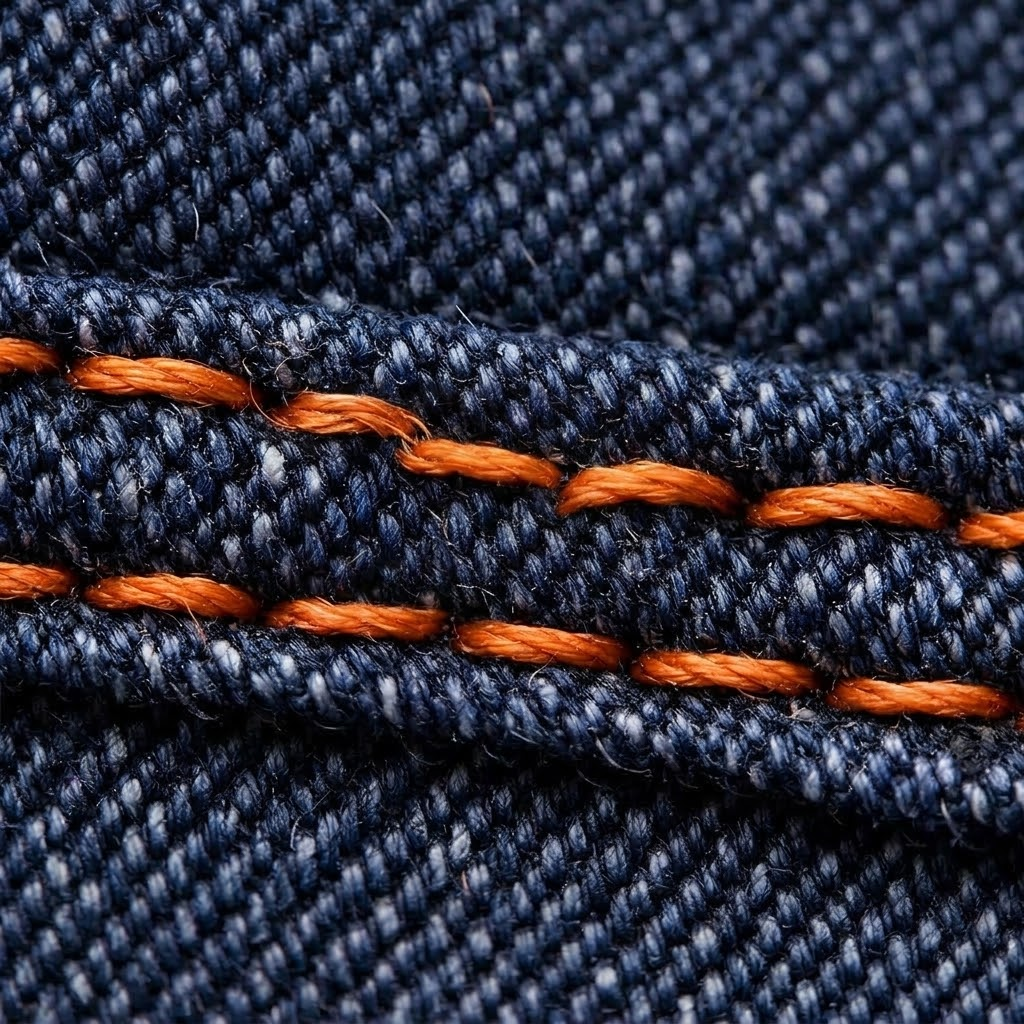
Stitching
Skipped, uneven or loose seams
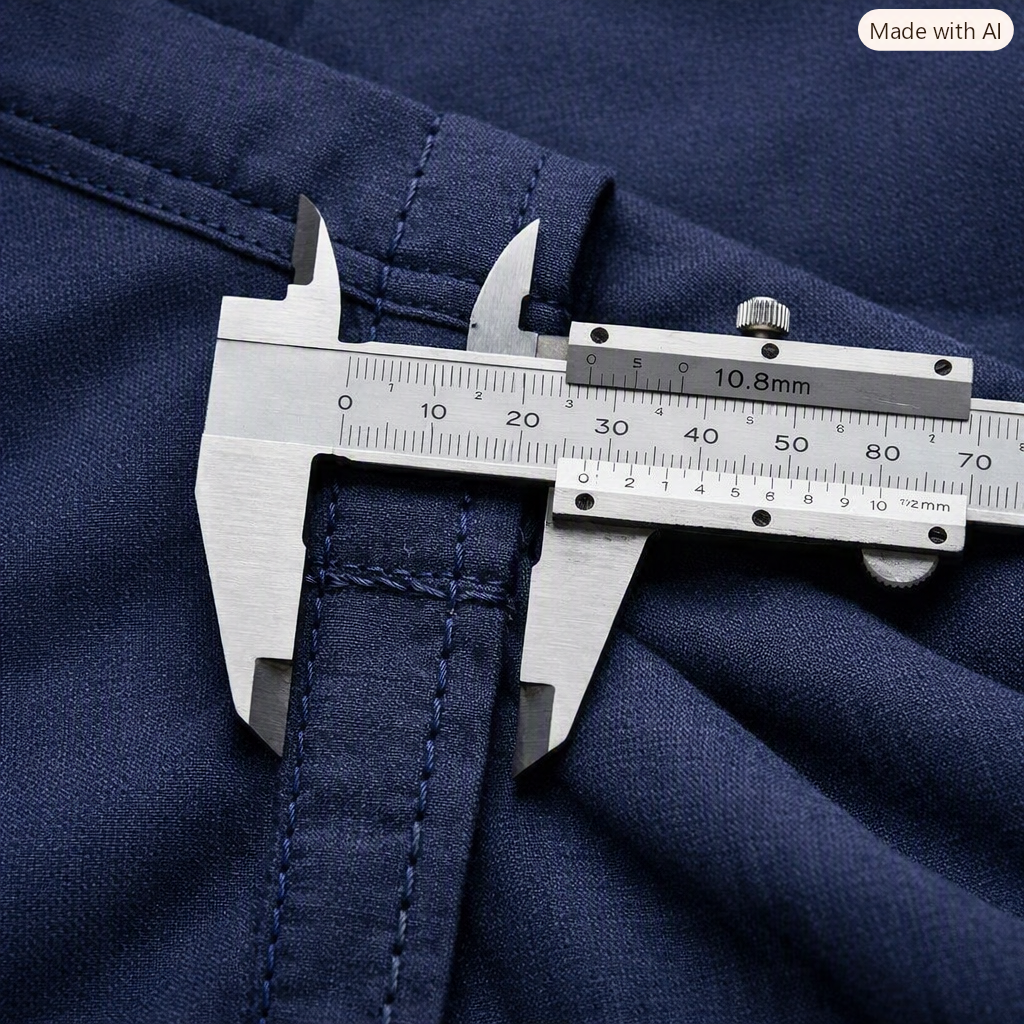
Measurements
Panel and garment dimensions vs. spec
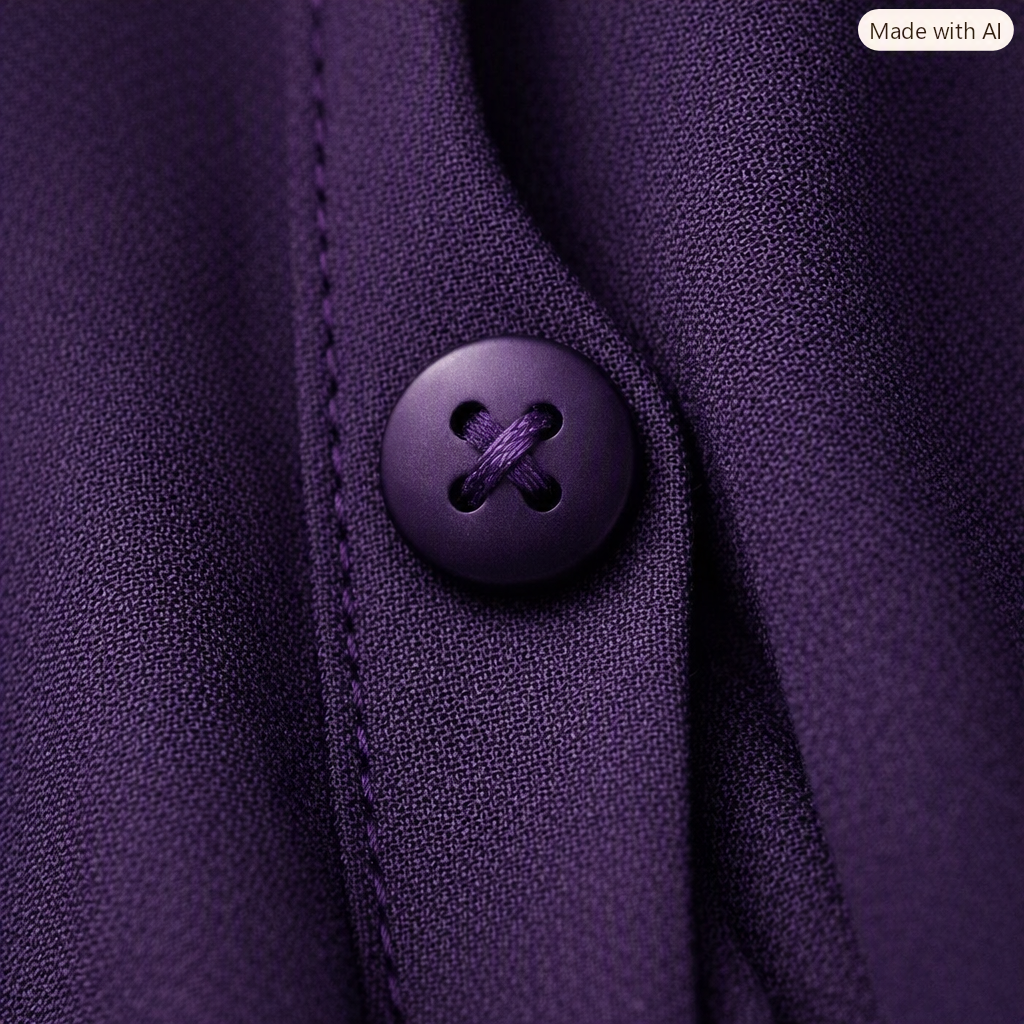
Trims
Buttons, zippers, labels present and placed
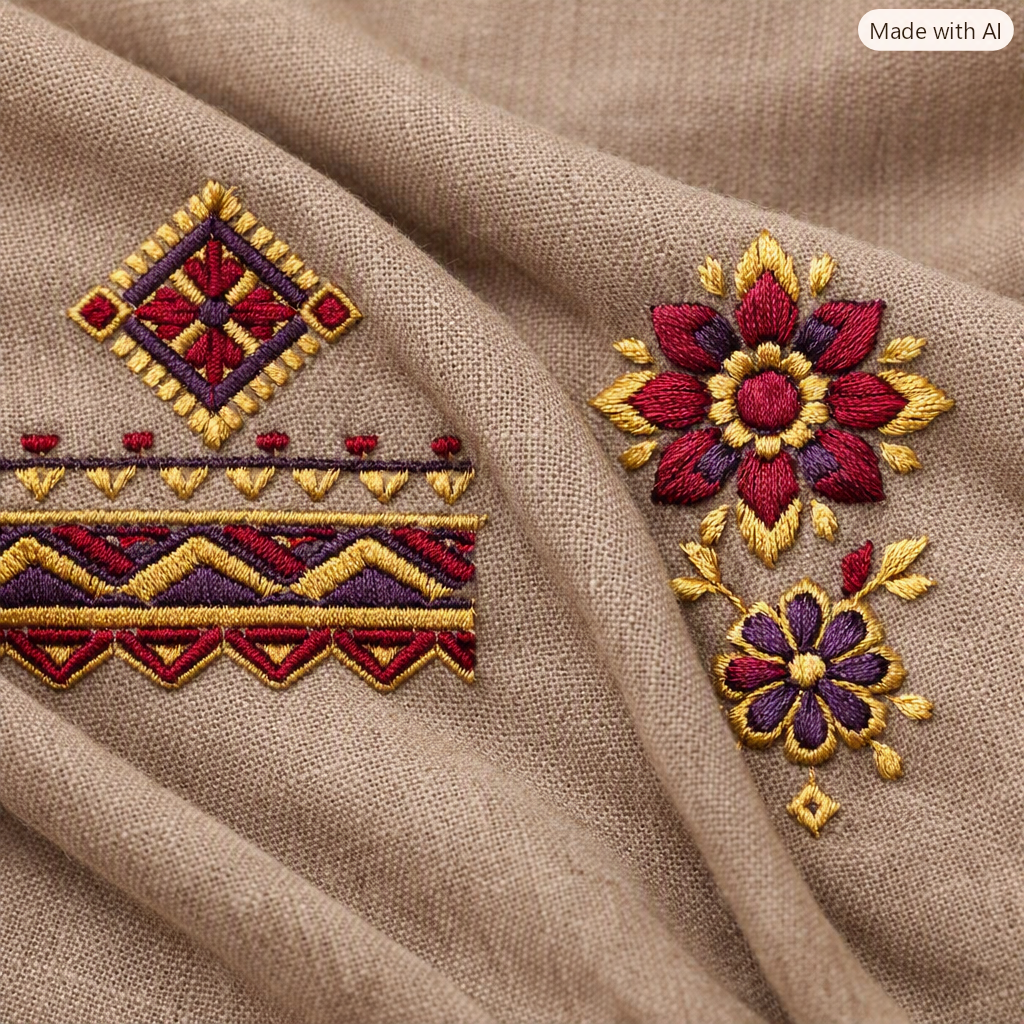
Print & embroidery
Alignment, registration and placement
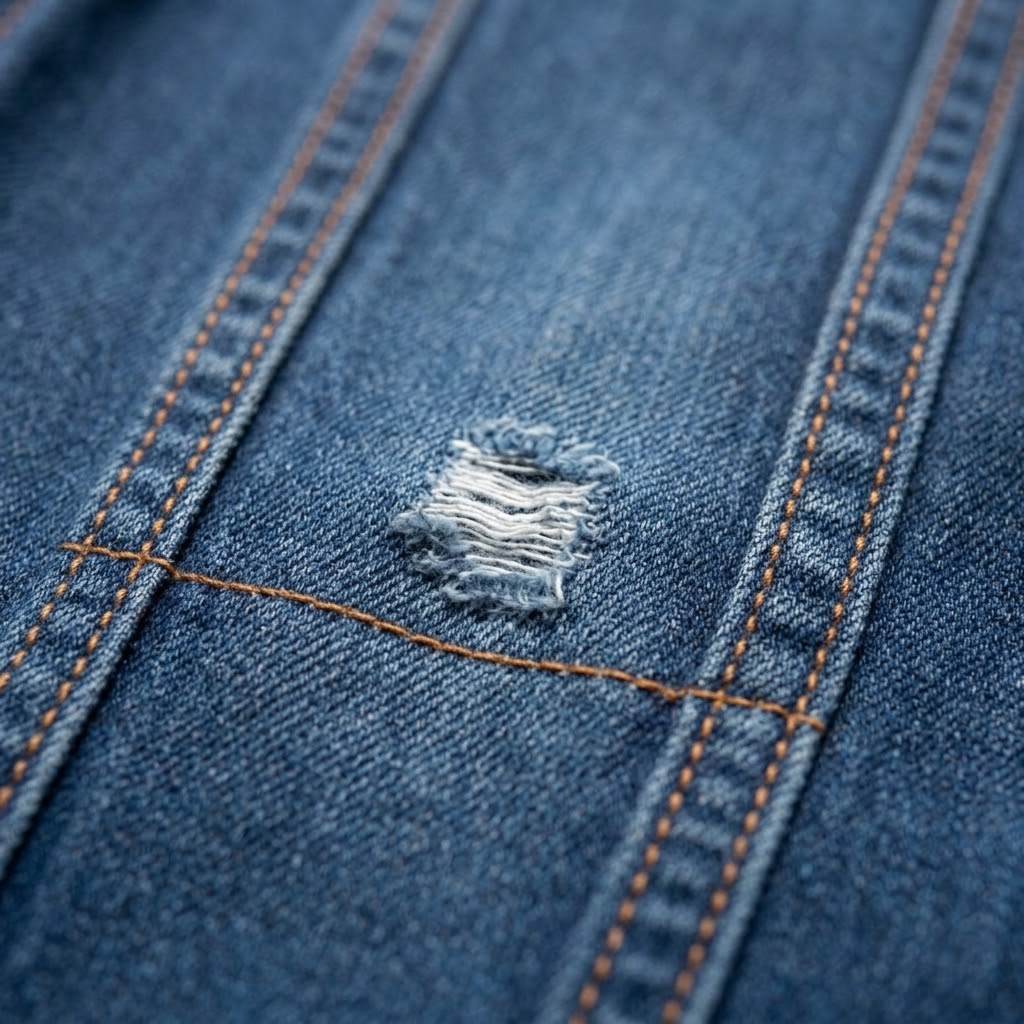
Fabric flaws
Holes, stains, weave and color defects
How it works & what changes
From the camera to the ledger, and what it buys you.
1
Camera on your existing line
Works with the camera already on your line, no change to line speed.
2
AI flags defects in real time
Every unit is checked against your defect categories as it passes.
3
Sorted: pass, rework, reject
Each unit gets a verdict and routes to the right next step.
4
Logged automatically
Every defect is timestamped and categorised, with no more paper tally sheet.
Less rework, fewer chargebacks
Defects get caught on the line, not after the retailer's inbound inspection.
Faster throughput
Inspection runs at line speed, so it stops being the bottleneck.
Consistent quality
The same standard applies on every shift, with no checker-to-checker drift.
Defect data you can act on
Every flag is logged, so root causes show up instead of getting lost on paper.
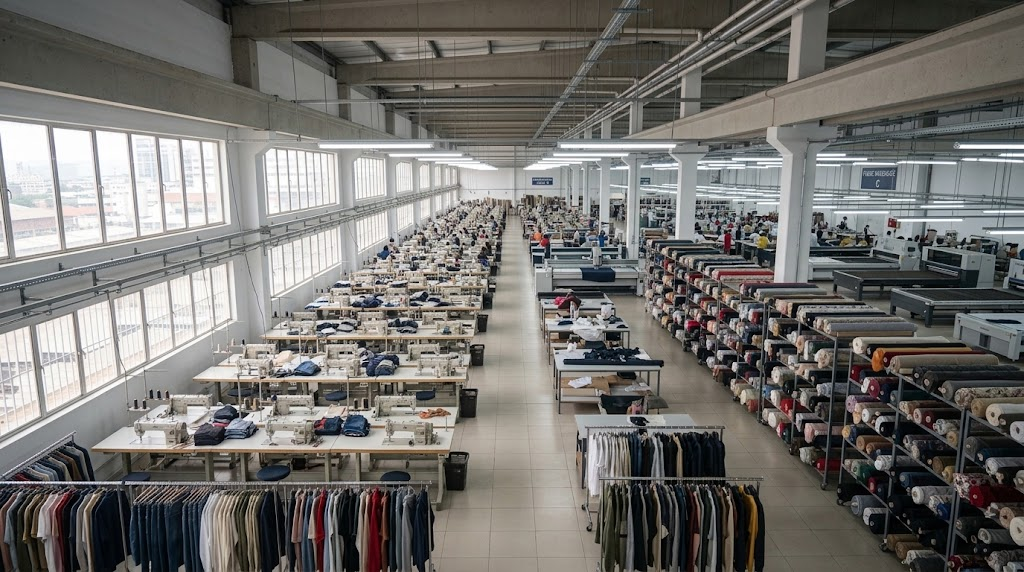
See it on your line.
Run a pilot on one line, on your product, with your defect categories. Works with the camera hardware you already have.